
Getting Paid on Nevada Construction Jobs
Subcontractors, suppliers, and contractors have stronger collection remedies than almost anyone — mechanic's liens, bond claims, and prompt-payment rights. Here's how to use them before the deadlines run.
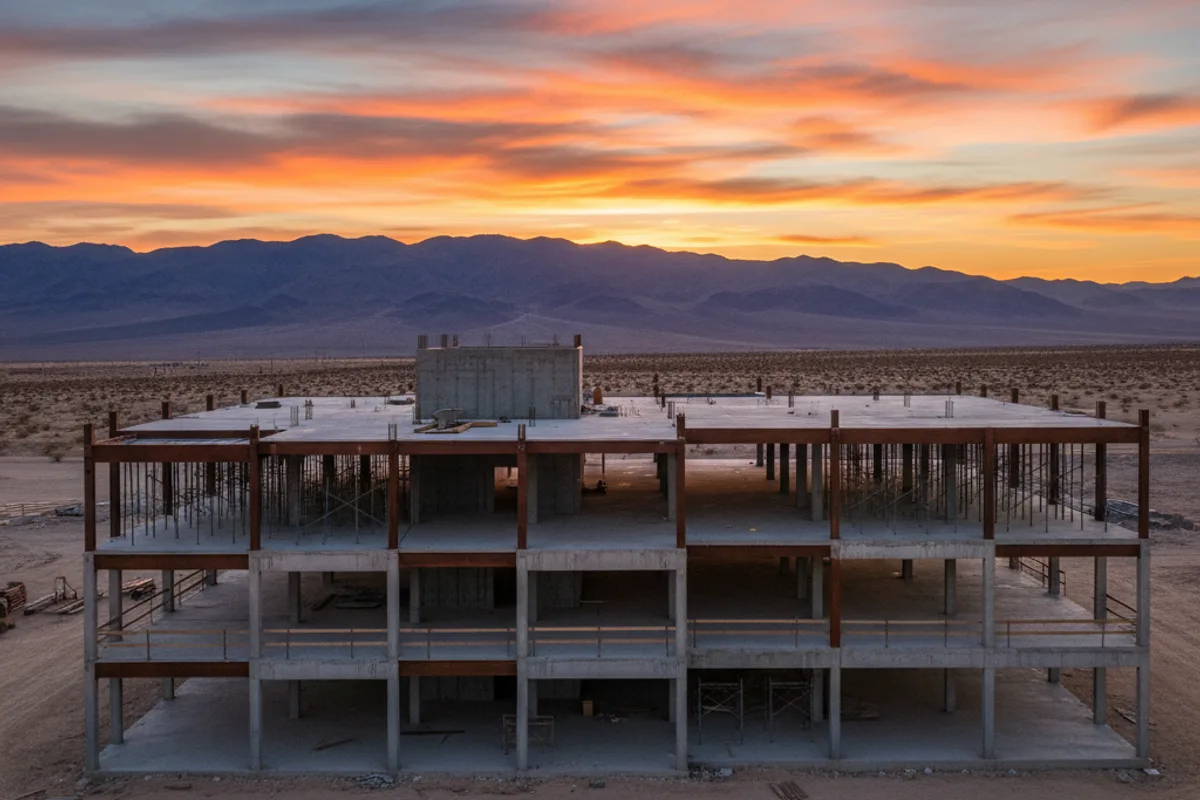
If you performed work or supplied materials on a Nevada construction project and haven't been paid, you have leverage most creditors can only dream of — a mechanic's or materialman's lien on the property itself under NRS Chapter 108, a claim on the contractor's payment bond, prompt-payment rights, and often a personal guarantee. The catch is that the strongest of these remedies are deadline-driven and can vanish if you wait. This guide shows Nevada subcontractors, suppliers, and general contractors how the payment fight really works — and how to move before the clock runs out. It's general guidance for construction creditors, not legal advice for your specific job; lien and bond deadlines are unforgiving, so confirm the current NRS 108 requirements or involve counsel promptly.
Why Construction Debt Is Different
In an ordinary unpaid invoice, your only real leverage is the threat of a lawsuit. Construction is different, and dramatically so. Nevada — like every state — gives the people who build and supply a project special statutory rights, because their labor and materials are literally embedded in someone else's real estate. That means a slow-paying developer or general contractor isn't just risking a money judgment down the road; they're risking a lien that clouds title to the property and can block a sale, a refinance, or the next draw from the construction lender.
That leverage is enormous — but it comes with a price of admission: deadlines and notices. The mechanic's lien system trades away the informality of ordinary debt for a set of strict procedural steps. Miss a preliminary notice or a recording deadline and the single most powerful tool you have can evaporate, leaving you back with nothing but an ordinary breach-of-contract claim. The whole game, therefore, is to preserve the remedies first and negotiate from strength second.
Your Four Levers as an Unpaid Construction Creditor
Depending on your role and the project, you may hold several of these at once. A good collection strategy identifies which apply and sequences them:
| Lever | What it is | Best for |
|---|---|---|
| Mechanic's / materialman's lien (NRS 108) | A recorded lien against the improved private property, clouding title until you're paid or the lien is resolved. | Subs and suppliers on private projects who preserved lien rights and are within the recording deadline. |
| Payment bond claim | A claim against the surety bond a prime contractor posts on many bonded or public jobs, standing in for a lien on land you can't lien. | Work on public projects or private jobs where a payment bond exists. |
| Prompt-payment claim | Nevada's construction prompt-payment statutes require timely payment down the chain and can add interest and, in some cases, allow work stoppage. | Slow-pay situations where the money is coming but late, and you want to add pressure and interest. |
| Personal guarantee / contract claim | Direct claim against the party that owes you — and against any owner or officer who personally guaranteed the account. | Every account; the backstop when lien or bond routes are closed or already resolved. |
General overview for 2026. Which levers apply — and their exact deadlines — depend on your tier, the project type, and the notices served. Confirm current NRS 108 and prompt-payment requirements or involve construction counsel before relying on any single remedy.
The Deadlines That Decide Everything
Here is the hard truth about construction collections: the case is often won or lost on dates, not on the merits. The money is clearly owed, the work was clearly done — but if the preliminary notice wasn't served or the lien wasn't recorded in time, the leverage is gone. Nevada's lien statute ties key deadlines to your position in the contracting chain and to events like completion of the work or a recorded notice of completion.
The practical rule for any unpaid contractor or supplier is simple: the day payment starts slipping is the day to protect your rights, not months later when you've finally lost patience. Preserving a lien or bond claim early costs little and changes the entire negotiation; letting the deadline pass forfeits your best card for good. Because the exact windows are strict and fact-specific, this is the one area where confirming the current requirement — or handing it to a professional who tracks these dates for a living — pays for itself many times over.
The "Pay-When-Paid" Excuse
When a general contractor stops paying a sub, the most common justification is a pay-when-paid or pay-if-paid clause — "we'll pay you when the owner pays us." Treated as gospel, that clause talks a lot of subcontractors out of money they're owed. In reality these clauses are read narrowly, and in many situations they do not eliminate your right to payment or your statutory lien and bond remedies — they shift timing, not the underlying obligation, and courts are skeptical of reading them to make a subcontractor the unpaid financier of the whole project. The clause is frequently deployed as negotiating leverage rather than a genuine legal shield. Before you accept "the owner hasn't paid us" as the end of the story, it's worth having the contract language and the facts reviewed.
How a Collection Agency Fits Construction Work
Construction collections sit at an unusual intersection: they're too deadline-sensitive and remedy-rich for a generic national call center, but many accounts are too straightforward to justify paying a construction litigator by the hour from day one. A licensed Nevada commercial agency built for this work does three things at once:
- Moves fast to preserve leverage — flagging the lien and bond deadlines the moment an account is placed, so the strongest remedies stay alive while negotiation proceeds.
- Applies real pressure short of court — a professional third party pursuing an owner, GC, or developer who's ignoring your invoices changes the dynamic, and a large share of accounts resolve at this stage.
- Escalates selectively — coordinating lien foreclosure, bond litigation, or suit through its legal network only on the accounts where the balance and the assets justify it, so you're not paying hourly fees on debts that a firm demand would have cleared.
And it's all on contingency: placing a construction account costs nothing unless it collects. Our broader Nevada commercial debt collection playbook and guide to when to place an account lay out the escalation ladder these accounts follow.
When the Debt Becomes a Judgment
Some construction accounts end in a judgment — after a lien foreclosure, a bond suit, or a straight breach-of-contract case. A judgment isn't the finish line; it's a new, more durable form of leverage. A Nevada judgment is enforceable for six years and renewable indefinitely, and it opens garnishment, bank levies, and property liens against the debtor's other assets. If your judgment came from another state and the contractor has Nevada assets, it can be brought here and enforced — see our guide to collecting an out-of-state judgment in Nevada. And every construction account is still governed by the Nevada statute of limitations, so even outside the lien deadlines, the clock is running.
What to Have Ready
To move quickly on a Nevada construction account, gather:
- The subcontract, purchase order, or supply agreement, plus any change orders.
- Your invoices, pay applications, and current statement of account.
- Any preliminary/pre-lien notices already served, and dates of first and last work or delivery.
- The project details — owner, general contractor, property address/APN, and whether a payment bond exists.
- Any personal guarantee and your record of collection efforts and last activity.
If you're not sure whether your lien rights are still alive, that's exactly the first thing to find out — send the file for review before assuming the window has closed.
Bottom Line for Nevada Contractors
Construction creditors hold the strongest hand in commercial collections — but only if they play it before the deadlines expire. A recorded mechanic's lien or a live bond claim turns "we'll pay you when we can" into "we have to clear this to close the deal." The mistake is treating a construction receivable like an ordinary invoice and waiting; by the time patience runs out, the best remedies may be gone. Vegas Valley Collection Service is a Nevada Financial Institutions Division–licensed commercial agency (NMLS 2364012) that pursues construction accounts across the state — preserving leverage, applying pressure, and coordinating legal escalation where it pays — on a no-recovery, no-fee basis.
Frequently Asked Questions
How do subcontractors collect unpaid money in Nevada?
Through remedies ordinary creditors don't have: a mechanic's/materialman's lien on the property under NRS 108, a claim on the contractor's payment bond, Nevada prompt-payment rights, and any personal guarantee. Because liens and bond claims are deadline-driven, preserve those first, then pursue demand, lien, bond claim, or suit as the facts require.
What's the deadline to file a mechanic's lien in Nevada?
Strict and role-dependent. Many lower-tier subs and suppliers must serve a preliminary notice early to preserve lien rights, and the lien must be recorded within a set period tied to completion or a recorded notice of completion. A missed deadline can void the lien — calendar these dates the moment payment slows and confirm current NRS 108 requirements.
Can I lien the project if the GC won't pay me?
Often yes — a Nevada mechanic's lien attaches to the improved property, not the party who owes you, so a sub or supplier can generally lien the project even when a GC hasn't passed payment down, if lien rights were preserved and the deadline is met. On bonded/public jobs, the parallel remedy is a payment-bond claim.
Does "pay-when-paid" mean I don't get paid?
Not necessarily. These clauses are read narrowly and often don't eliminate your right to payment or your lien and bond remedies — they're frequently used as leverage rather than a true legal shield. Enforceability turns on the exact language and facts, so get it reviewed before writing the balance off.
Unpaid on a Nevada Construction Job?
Send us the account and the project details. We'll tell you — free — whether your lien or bond rights are still alive, what's collectible, and what it's worth. No upfront fee; you pay only from what we recover. Time matters on these deadlines, so don't wait.